 Velmuruga
Arulmigu Sri Ganeshar Temple, Kebun Bunga
The Arulmigu Sri Ganeshar Temple at Kebun Bunga in Penang stands today as one of the most cherished Hindu temples on the island, drawing devotees of all ages, backgrounds, and communities. Tucked quietly along the green and serene stretch of Jalan Kebun Bunga, this temple has a history that reflects the spiritual journeys, struggles, and deep cultural roots of Penang’s Indian community. Its story is not merely about a building or shrine, but about the people who built it, protected it, and kept its flame of devotion alive for several decades.
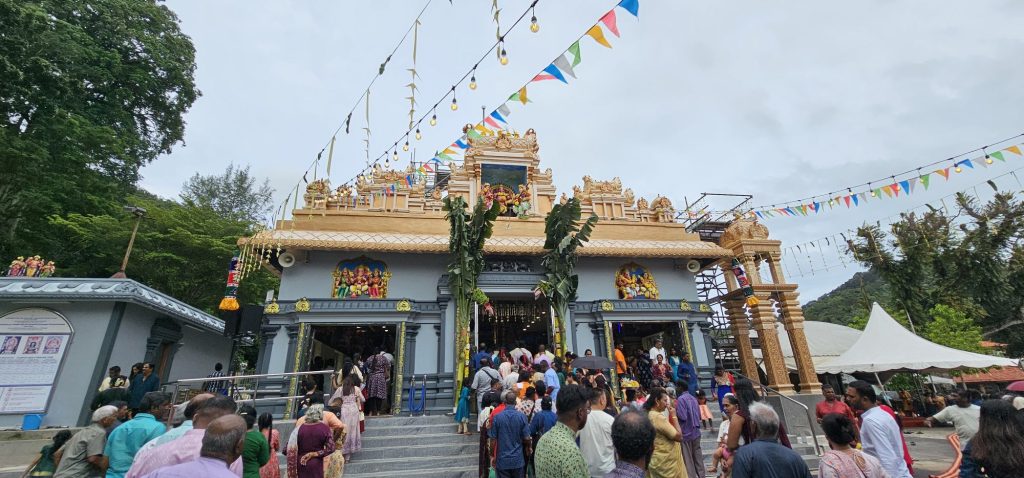
The temple’s origins trace back to the early and mid-20th century, a time when Penang was home to large numbers of Indian labourers working in plantations, municipal works, and the harbour area. These early labour communities were far from their homeland and found strength in maintaining their cultural and religious practices. For them, Lord Ganesha — the remover of obstacles and beloved deity of beginnings — naturally became a central figure in their daily prayers. Many of them longed for a dedicated, peaceful place to offer prayers, seek blessings, and gather during significant religious days.
Recognising this need, the Hindu Mahajana Sangam, one of the most influential and community-driven Hindu organisations of the time, took the initiative to build a shrine for Lord Ganesha. In 1951, the Sangam officially established what is known today as the Arulmigu Sri Ganeshar Temple. Initially, the structure was modest — a simple shrine built with limited resources but filled with sincerity and devotion. What it lacked in grandeur, it made up for with profound spiritual energy. The temple quickly became a gathering place for the surrounding community, creating a sense of belonging and cultural continuity among Indian families living in Penang.
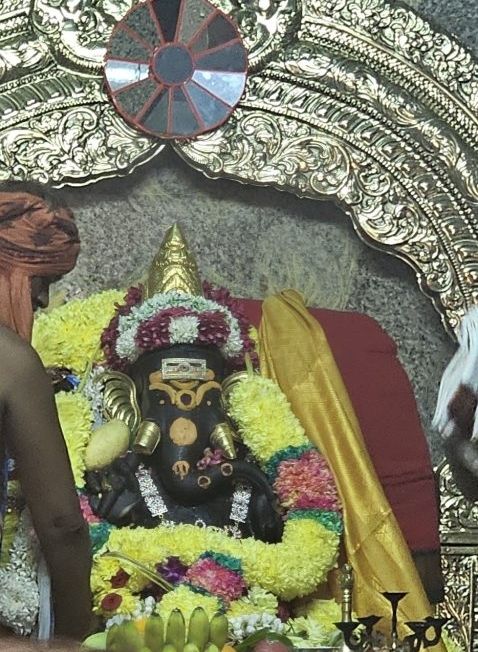
Over the years, the temple grew in significance as the surrounding neighbourhoods expanded and as more devotees began visiting regularly. Daily prayers, weekly rituals, and special Hindu festivals turned the temple into an active spiritual centre. It became especially meaningful for school children, families, elderly devotees, and workers who sought Lord Ganesha’s guidance for new beginnings, examinations, business ventures, and important life decisions. For them, this temple was a sacred listening ear — a space where worries were shared, hopes whispered, and blessings received.
As decades passed, the original shrine required restoration and expansion. The community once again rallied behind it, donating funds, offering labour, and volunteering their time. With this support, the temple underwent reconstruction and enhancement. One of the significant milestones in its development was a major Kumbabishegam (consecration ceremony) held in 1979. This ceremony rejuvenated the temple’s spiritual atmosphere, re-establishing sacred energies and blessing the temple for generations to come. Many senior devotees today still fondly remember the excitement and unity that the 1979 consecration brought to Penang’s Hindu community.
Following this, the temple continued to evolve structurally and spiritually. Aesthetically, the architecture incorporated more traditional South Indian elements — intricate carvings, sculpted representations of Ganesha, and vibrant colours associated with Hindu iconography. Inside the sanctum, the majestic moorthy of Lord Ganesha radiated a sense of calm and divine presence, drawing visitors even from outside Penang.
In recent decades, the temple has experienced renewed attention, especially from younger generations seeking to reconnect with cultural traditions. Annual festivals dedicated to Lord Ganesha, such as Vinayagar Chaturthi, are celebrated with great enthusiasm. Devotees gather in large numbers, participating in homams (fire rituals), chanting, abhishegams (holy bath rituals), special poojas, and processions. The temple compound transforms into a lively space filled with devotional music, flower offerings, lamps, and spiritual warmth. Community service activities such as annathanam (free food distribution) play a central role during festivals, reinforcing the idea that temples are not just places of worship but centres of compassion and unity.
In the year 2025, the temple saw one of its most important spiritual events in recent memory — a large-scale Maha Kumbabishegam that drew thousands of devotees. After years of structural repair, painting, decorative restoration, and temple upgrades, the reconsecration marked a new chapter. The event spanned several days of rituals, attracting families, youths, elders, and visitors from neighbouring states. The atmosphere was emotional and uplifting; many devotees described the experience as a “rebirth” for the temple. The positive response following this major consecration showed how deeply the temple is woven into the hearts of Penang’s Hindu community.
Alongside regular worship, the temple has also grown into a cultural pillar. Many devotees visit not only for prayer but also for personal reflection, meditation, and quiet time. The lush green surroundings of Kebun Bunga provide a refreshing natural backdrop that complements the temple’s spiritual environment. Local Hindu organisations frequently organise cultural classes, music programmes, and religious workshops here, allowing the next generation to learn about their traditions and values. The temple thus bridges the past with the future, ensuring that spiritual heritage continues to thrive.
Another important modern step has been the proposal and introduction of a Golden Chariot procession dedicated to Lord Ganesha — a milestone indicating the recognition of the temple’s importance within Penang’s Hindu religious landscape. This elevates the temple’s role during major festivals such as Vinayagar Chaturthi and other community events, strengthening its place as a central figure of devotion on the island.
Today, the Arulmigu Sri Ganeshar Temple stands not only as a place of prayer but as a guardian of culture, history, and community identity. Its journey from a small 1951 shrine built by humble labourers to a vibrant and revered temple is a testament to the resilience and unity of Penang’s Hindu community. Every stone, every ritual, and every prayer offered here carries the legacy of those who built it, supported it, and continue to nurture it.
Above all, the temple remains a symbol of hope, beginnings, and blessings — just as Lord Ganesha Himself represents. It welcomes anyone seeking peace, guidance, or spiritual strength. And as long as devotees continue to walk through its doors with faith and love, the temple’s history will continue to grow, one prayer at a time.
Comments are currently closed.